

What does a retainer do after orthodontic treatment? It holds your teeth in their new position while the bone and gums around them settle, so they do not drift back toward where they started. At Bayly Dental Clinic in Pickering, your retention plan is discussed with you when your braces or aligner treatment is complete.
Protecting Your New Smile
- Teeth can move after treatment ends. The tissues that hold them need time to adapt, and teeth also shift naturally with age
- A retainer protects the result. The "after" photo only lasts if the retainer is worn as directed
- Retention happens in stages. Wear is usually most important right after treatment, then becomes a routine
- Invisalign patients need a retainer too. Aligners move teeth; a retainer keeps them where they ended up
- Shifted teeth can be treated. Orthodontic relapse can often be corrected with Invisalign or clear aligners
Finishing braces or clear aligners is a big moment. The hard part feels over, and in many ways it is. But the weeks and months that follow decide whether your new smile stays straight for good.
This guide explains why teeth move after treatment, what retainer results look like before and after, and what to do if your teeth have already started to shift.
Why Do Teeth Shift After Braces or Invisalign?
Teeth are not fixed solidly in the jaw. Each one is held in place by a thin layer of fibres and surrounded by bone that slowly reshapes as teeth move. Orthodontic treatment works because of this: gentle, steady pressure lets the bone remodel around each tooth in its new position.
When treatment ends, that remodelling is not finished. The fibres around the teeth still carry some "memory" of their old position and can pull teeth back. On top of that, teeth tend to drift slightly throughout life, often toward crowding of the lower front teeth.
This drift back toward the original position is called orthodontic relapse. It is the main reason retention matters as much as the treatment itself.
Orthodontic Retainer Results: Before and After
When people search for orthodontic retainer before and after results, they usually want to know one thing: will my teeth stay straight? The honest answer is that it depends on the retainer more than on the original treatment.
Here is what the difference typically looks like:
- With consistent retainer wear: the alignment, spacing and bite from the end of treatment are maintained. Small changes are caught early at check-ups
- With patchy wear: teeth may slowly rotate or crowd again, most often the lower front teeth. Gaps that were closed can start to reopen
- With no retainer at all: a significant part of the correction can be lost over time, and further orthodontic treatment may be needed to get it back
According to the Canadian Dental Association, once braces are removed, a retainer can be used to keep teeth in the right place, and retainers can be fixed or removable. The type that suits you depends on your case, and the options are explained on our orthodontist in Pickering page.
Retention Stage by Stage After Treatment
Many people look for a month-by-month picture of retention. Every case is different, so your dentist sets your exact schedule, but retention generally moves through three stages.
Stage 1: Right After Treatment Ends
This is when teeth are most likely to move, because the bone and fibres around them are still adapting. Wear is usually at its most frequent in this stage. Following instructions closely here does the most to protect your result.
Stage 2: Once the Teeth Settle
As the supporting tissues stabilize, wear typically becomes less frequent and fits into a simple routine, often at night. Your dentist checks your teeth and your retainer at follow-up visits before suggesting any change.
Stage 3: Long Term
Teeth continue to shift slightly with age, whether or not you had orthodontic treatment. That is why many people keep some form of retention, usually night-time wear or a fixed retainer, for the long term.
Your personal retention plan, including how often to wear your retainer at each stage, is discussed with you when treatment is complete.
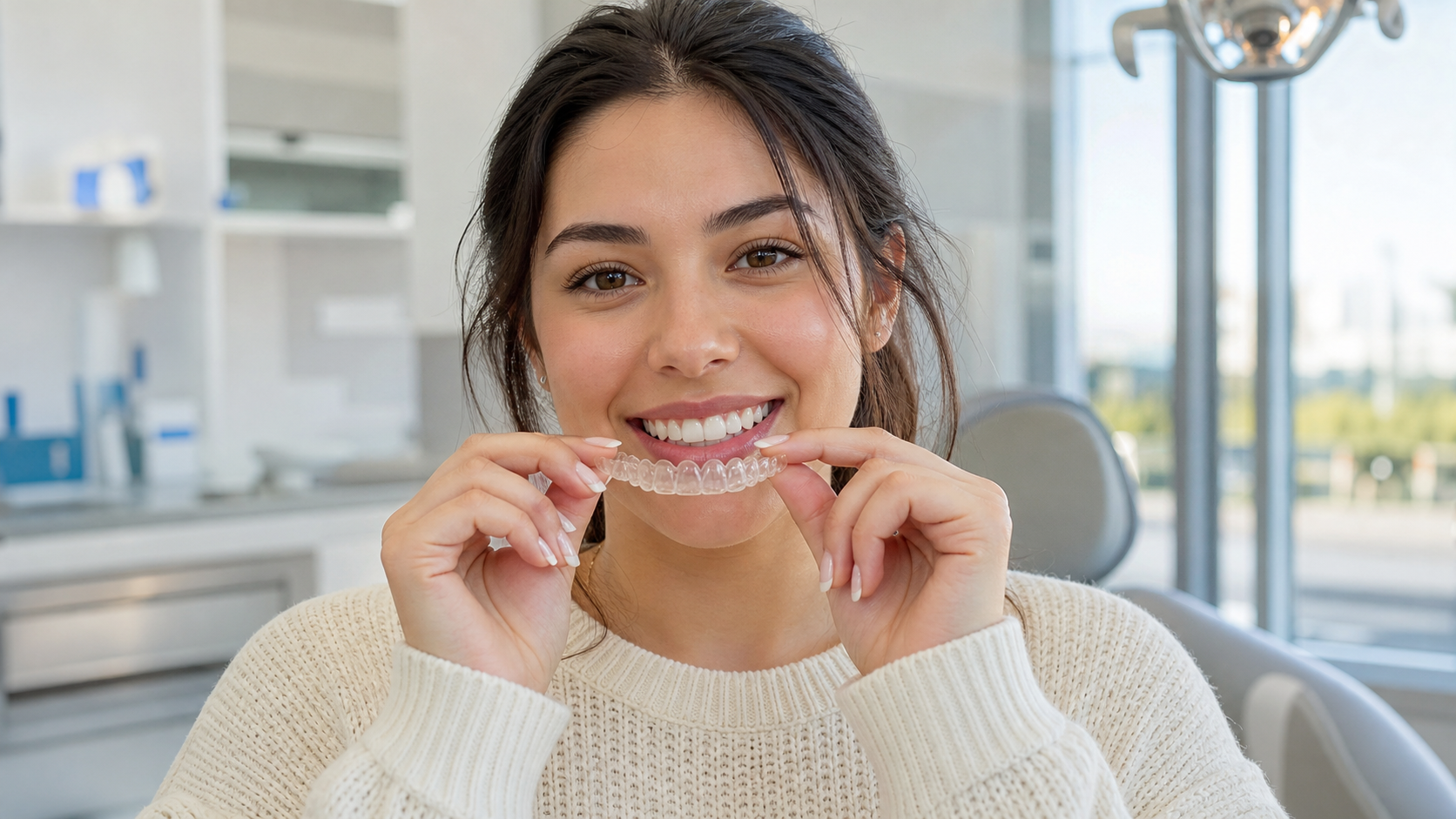
Do You Need a Retainer After Invisalign?
Yes. This is one of the most common questions we hear, and it makes sense: after months of wearing clear trays, a retainer can look a lot like one more aligner.
The difference is what each one does. Invisalign aligners are made in a series, and each one moves the teeth a small step. A retainer is made to fit your teeth in their final position and simply hold them there.
At Bayly Dental Clinic, retainers after Invisalign are part of the plan from the start. Treatment is provided by an Invisalign-certified dentist, cases are monitored with regular in-person visits, and the retention plan is discussed when your Invisalign in Pickering treatment is complete.
What Happens If You Stop Wearing Your Retainer?
Stopping too early is the most common reason orthodontic results fade. The change is usually slow, so it is easy to miss until the retainer no longer fits.
Signs your teeth may have moved:
- The retainer feels tight or creates pressure when you put it in
- The retainer no longer sits fully on your teeth
- Your bite feels different, or a gap or overlap has returned
- Flossing feels tighter between certain teeth
If you notice any of these, do not force the retainer into place. Book a visit so your dentist can check what has changed and what to do next.
Post-Treatment Retention Care
Good post-treatment retention care is mostly about habits. A few simple ones make the biggest difference:
- Wear it exactly as directed. Skipping a few nights here and there adds up
- Use the case every time. Most lost or broken retainers were wrapped in a napkin or left on a tray
- Keep it away from heat. Hot water, dishwashers and hot cars can warp plastic retainers
- Never adjust it yourself. Bending a wire or trimming a tray can make it fit poorly
- Bring it to your check-ups. Your dentist can check the fit and look for wear
- Take it with you when you travel. A few days away is a common time for retention to slip
For step-by-step cleaning instructions, see our orthodontist in Pickering page.
How Long Do Retainers Last?
Retainers wear out over time, and how long one lasts depends on the type, how often it is worn and how well it is cared for. Removable retainers in particular can crack, warp or loosen.
Replace or have your retainer checked if:
- It is cracked, chipped or warped
- It feels loose or no longer fits snugly
- It has discolouration that will not clean away
- It causes discomfort or pressure that does not go away
A worn retainer that no longer fits cannot hold your teeth properly, even if you wear it every night.
What If Your Teeth Have Already Shifted?
If your teeth have moved since you finished treatment, you are not alone, and it can usually be corrected.
At Bayly Dental Clinic, orthodontic relapse after previous treatment is one of the concerns treated with clear aligners in Pickering and Invisalign. Clear aligners are a removable, discreet option for mild to moderate crowding or spacing, with custom digital treatment planning and in-clinic follow-ups. The recommendation is based on your case complexity, how predictable the movement is, and your preference.
After correction, a retention plan is put in place again, so the result stays where it belongs this time.
Retainer Questions Patients Ask in Pickering
Want to Protect Your Orthodontic Results?
Whether you finished treatment recently or years ago, a quick check can tell you if your teeth are holding their position.
- Your retention plan is discussed with you when orthodontic treatment is complete
- Invisalign treatment is provided by an Invisalign-certified dentist, with cases monitored through regular in-person visits
- Orthodontic relapse after previous treatment can be treated with clear aligners or Invisalign
To book an orthodontic visit, call Bayly Dental Clinic or visit us at 1635 Bayly St, Building F, Unit 3, Pickering, ON L1W 3N2.

Dentist in Pickering: Invisalign Treatment for a Discreet Straighter Smile
What to expect at every stage of Invisalign, from the first digital scan and ClinCheck simulation to refinements and daily aligner care, with the Team at Bayly Dental Clinic in Pickering.
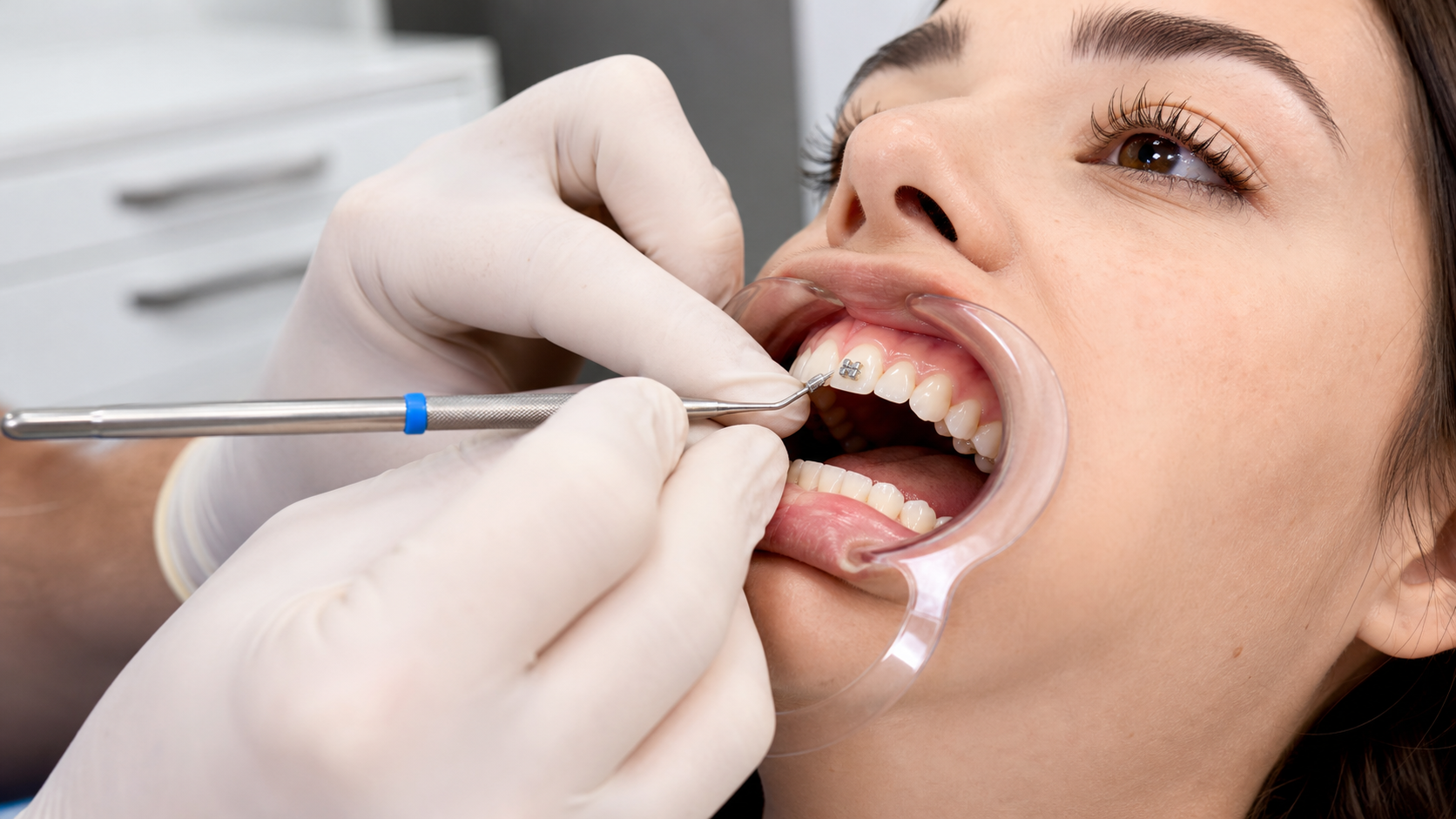
Getting Braces: What to Expect at Your First Appointment
Most people expect to leave their first visit with braces. Here is what really happens at each early appointment, and how to prepare for it.