
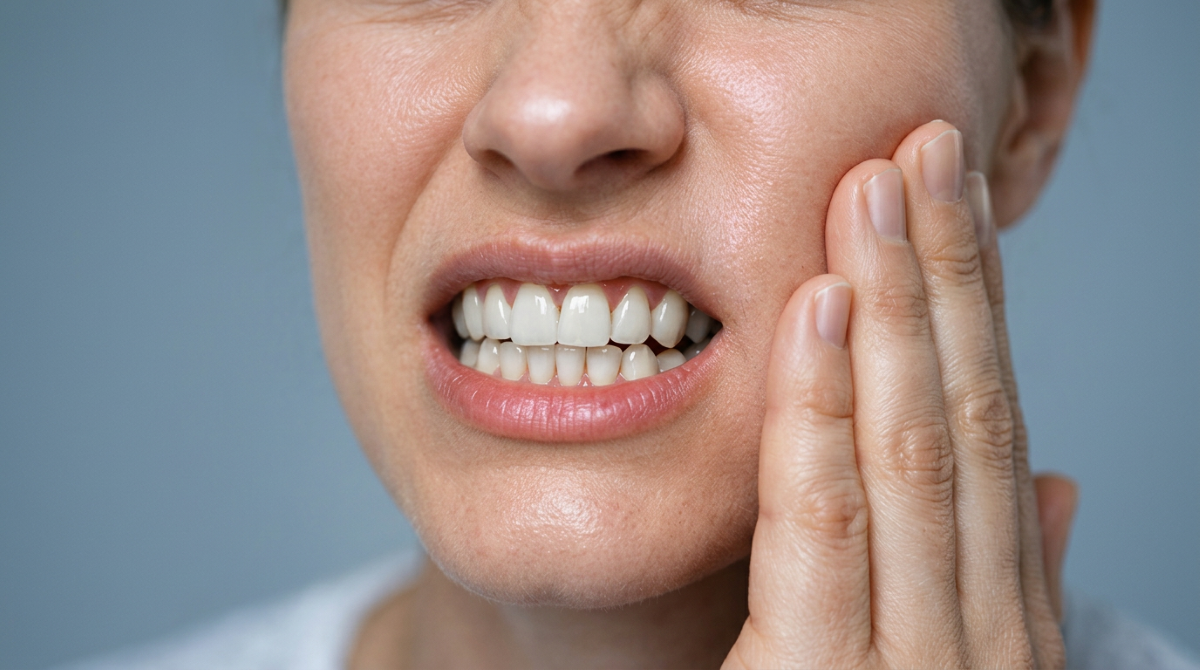
Therapeutic neurotoxin injections help manage structural and neuromuscular conditions caused by muscle overactivity. At Bayly Dental Clinic in Pickering, our providers utilize targeted options like botox for jaw clenching to address TMJ disorder, chronic muscle pain, and severe teeth grinding, tailoring each plan to individual patient evaluations.
What to Know About Therapeutic Botox
- Multifaceted Relief: Primarily used to treat TMJ disorder, jaw clenching, and bruxism.
- Targeted Muscle Management: May directly address chronic facial pain and masseter muscle hypertrophy.
- Headache Support: Can be considered as a clinical option for tension headaches and migraine-related muscular tension.
- Thorough Assessments: Patient suitability is always determined through a professional TMJ evaluation and careful symptom review.
- Rapid Response Timeline: Therapeutic relief may begin within a few days, with the full effect typically occurring within 1-2 weeks.
- Regular Care Maintenance: Follow-up visits are generally recommended every 3 to 4 months to maintain results.
Living with persistent facial pain or an overactive jaw can significantly impact your daily comfort and long-term oral health. When lifestyle modifications and standard treatments do not provide sufficient relief, modern dental therapies offer highly targeted solutions. Understanding how botox helps jaw clenching can help you make an informed decision about managing muscle-related discomfort effectively.
What Is Therapeutic Botox?
Therapeutic Botox is a clinically focused treatment designed to manage specific muscle-related conditions affecting the jaw, face, and head, including TMJ disorder, involuntary jaw clenching, and chronic facial pain.
Unlike cosmetic procedures that focus on aesthetic enhancement, therapeutic botox Pickering treatments focus strictly on the neuromuscular function of the craniofacial region. The primary objective is to temporarily reduce excessive muscle contraction forces. By calming hyperactive muscles, this therapeutic approach mitigates structural strain, protects your teeth from premature wear, and addresses deep-seated muscular discomfort.
What Conditions Can Therapeutic Botox Help Treat?
Bayly Dental Clinic utilizes therapeutic treatments to address TMJ disorder (TMD), jaw clenching, bruxism, masseter muscle hypertrophy, tension headaches, chronic facial pain, and migraine-related muscular tension.
TMJ Disorder (TMD)
Temporomandibular joint disorders can cause severe restriction in jaw movement and localized joint distress. Utilizing therapeutic botox for TMJ disorder directly targets the overactive muscle groups surrounding the joint, helping to alleviate the structural strain that compromises jaw function.
Jaw Clenching and Bruxism
Involuntary clenching puts massive, continuous pressure on the teeth and supporting bone structures. Applying botox for teeth grinding or botox for bruxism reduces the involuntary force of these movements, preventing structural dental damage and reducing overall muscle fatigue. Addressing bruxism botox options is highly beneficial for patients who experience severe morning soreness. When damage is extensive, we may address complex structural issues via Full Mouth Rehabilitation.
Masseter Muscle Hypertrophy
Continuous, high-force clenching can cause the masseter muscles to become enlarged from overuse. This condition, known as masseter muscle hypertrophy, is managed therapeutically to reduce muscle overactivity and lower the baseline tension generated by these primary chewing muscles.
Tension Headaches
When facial and scalp muscles remain constantly contracted due to stress or misalignment, intense headaches often follow. Introducing botox for tension headaches works by preventing these localized muscle groups from locking up, effectively disrupting the cycle of chronic head pain.
Chronic Facial Pain
Persistent discomfort throughout the face often stems from deep muscular fatigue that standard over-the-counter anti-inflammatories cannot resolve. Clinical application provides an alternate path by offering targeted relaxation to the precise zones responsible for botox for chronic facial pain management.
Migraine-Related Muscular Tension
Muscular tension around the cranium can act as a significant trigger or compounding factor for severe migraines. Patients seeking relief can explore botox for migraine-related muscle tension to help manage the secondary muscular spasms associated with these debilitating conditions.
How Does Bayly Dental Clinic Determine If Therapeutic Botox Is Appropriate?
Our clinic conducts a multi-step evaluation encompassing a TMJ functional evaluation, jaw muscle palpation, medical history review, and a complete symptom and pain pattern assessment.
TMJ Functional Evaluation
The dentist will physically evaluate the range of motion of your jaw, listening and feeling for structural irregularities during opening and closing movements. This clarifies whether the underlying issue is primarily muscular or joint-based.
Jaw Muscle Palpation
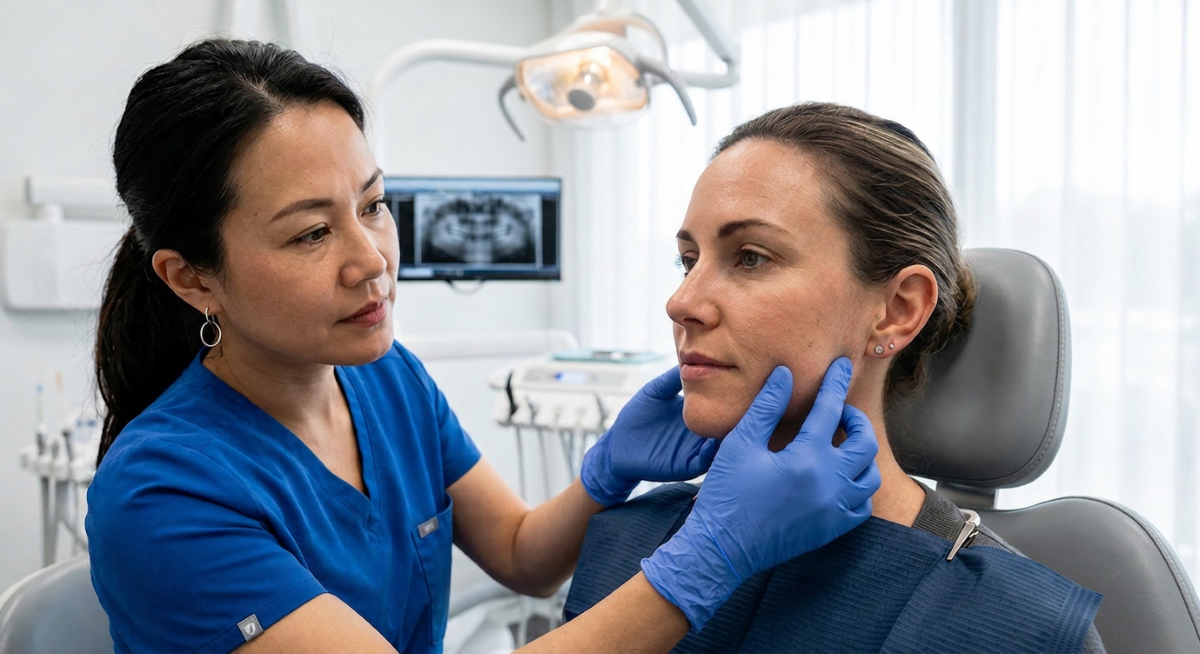
By gently palpating the masseter and temporalis muscles, our team identifies specific trigger points, localized swelling, and areas of maximum tenderness. This physically confirms which muscle bodies are carrying abnormal tension.
Medical History Review
A comprehensive review of your complete medical history is performed to ensure there are no underlying systemic contraindications or conflicting medications before moving forward with any therapeutic neuromodulator therapy.
Pain Pattern Assessment
We track exactly when your pain occurs, what triggers it, and how long it lasts. Analyzing these patterns helps confirm if your symptoms line up with chronic muscle overactivity.
Symptom Assessment
A complete evaluation of all associated symptoms including ear discomfort, morning jaw fatigue, and tooth sensitivity is cross-referenced to build a clear clinical picture.
Which Areas Can Be Treated With Therapeutic Botox?
Depending on your unique diagnostic findings, therapeutic injections may be administered into the masseter muscles, temporalis muscles, frontal/forehead muscles, or the neck and shoulder muscles.
- Masseter Muscles: The large muscles located at the angle of the jaw, which are the primary drivers behind severe clenching and botox for jaw pain symptoms.
- Temporalis Muscles: Fan-shaped muscles on the sides of the head that can cause radiating temples pain and tension headaches when overstressed.
- Forehead Muscles: Frontal muscle groups that are specifically evaluated and targeted when treating chronic tension-type head pain.
- Neck and Shoulder Muscles: Supporting muscle groups that may be treated when clinical indicators show that jaw dysfunction is radiating lower into the body.
What Happens During a Therapeutic Botox Consultation?
Your visit focuses entirely on diagnostic discovery, mapping out your precise pain patterns, checking jaw mechanics, and determining if a neuromodulator treatment plan is clinically appropriate.
When investigating what is therapeutic botox and whether it fits your wellness goals, your consultation will follow a highly structured, patient-centered flow. Patients may also review comfort management pathways like Dental Sedation to ensure a relaxed experience.
- Medical History Review: Documenting current health statuses, existing conditions, and medications.
- Symptom Discussion: Identifying specific areas of pain, headache frequencies, and dental structural concerns.
- TMJ Evaluation: Measuring jaw movement path, flexibility, and checking for joint noises.
- Muscle Assessment: Palpating face and scalp muscles to isolate primary trigger points.
- Treatment Recommendation: Outlining customized clinical options based directly on your physical findings.
- Follow-Up Planning: Establishing long-term monitoring intervals tailored to your recovery.
How Long Does Therapeutic Botox Take to Work?
Most patients begin to feel a noticeable reduction in muscle tension within a few days, while the maximum therapeutic effect is typically reached within one to two weeks.
Because the therapeutic solution acts by gradually adjusting the signaling pathways within hyperactive muscle tissues, the relaxation process is steady and progressive. You will not experience an instantaneous change; instead, you will notice a gradual softening of jaw stiffness over the first week, leading up to full stabilization.
How Often Are Follow-Up Visits Needed?
To maintain consistent muscle relaxation and prevent symptom relapse, follow-up evaluations are typically scheduled every three to four months.
Over time, the therapeutic effects naturally wear off as muscle tissues regain baseline functional activities. Regular maintenance visits allow our clinical team to monitor your structural progress, evaluate tooth wear, and administer subsequent treatments precisely before severe clenching habits or pain patterns re-establish themselves. We recommend scheduling routine maintenance through comprehensive Dental Exams to keep your oral health on track between therapeutic sessions.
Is Therapeutic Botox Right for TMJ and Jaw Clenching?
Finding out who is a candidate for therapeutic botox requires an individualized clinical exam; it is generally indicated for individuals experiencing documented muscle overactivity that compromises oral health or comfort.
Candidacy cannot be generalized. During your clinical exam, the dentist checks if your symptoms are stemming from muscle issues or structural joint degradation. If muscle tension is identified as the primary source of your jaw discomfort, a therapeutic plan can be safely integrated into your care routine.
Why Choose Bayly Dental Clinic for Therapeutic Botox in Pickering?
Treatments at our practice are managed directly by certified dental professionals possessing specialized training in advanced TMJ/TMD management and therapeutic neuromodulator applications.
The complex anatomy of the facial muscles requires an advanced level of precision that specialized dental providers are uniquely qualified to deliver. Serving families across Pickering, Pickering, and Markham, our clinical team focuses on identifying root causes rather than simply masking symptoms. Every treatment is backed by rigorous clinical safety protocols and a dedication to long-term oral-facial wellness. We work alongside your broader Family Dentistry care plan.
Comparing Advanced Treatment Approaches
When evaluating long-term care plans for bruxism and structural jaw pain, it helps to understand how different diagnostic treatments complement each other.
| Feature | Therapeutic Botox | Night Guards |
|---|---|---|
| Assessment Required | TMJ evaluation and symptom review | Complete clinical examination |
| May Address Jaw Clenching | Yes, by relaxing overactive muscle bodies | Yes, by providing a physical barrier |
| May Address Bruxism | Yes, lowers unconscious grinding forces | Yes, protects teeth from structural wear |
| Customized Recommendation | Yes, mapped to individual pain patterns | Yes, fabricated to match your exact bite |
| Treatment Dynamic | Determined individually based on muscle needs | Determined individually based on wear factors |
FAQs About Therapeutic Botox
Take the First Step Toward Lasting Muscular Relief
If you are tired of living with constant jaw strain, chronic facial pain, or morning headaches, our experienced team is here to help you explore your options. At Bayly Dental Clinic, we focus on comprehensive clinical assessments to guide you toward the right treatment pathway for your lifestyle.
- Specialized Visual Insights: Every consultation includes a detailed mapping of your facial muscle function and jaw alignment.
- Advanced Professional Training: Receive care from a certified provider dedicated to advanced neuromuscular therapeutic solutions.
Use our online scheduling tool today to book your personalized therapeutic consultation at Bayly Dental Clinic in Pickering.